-
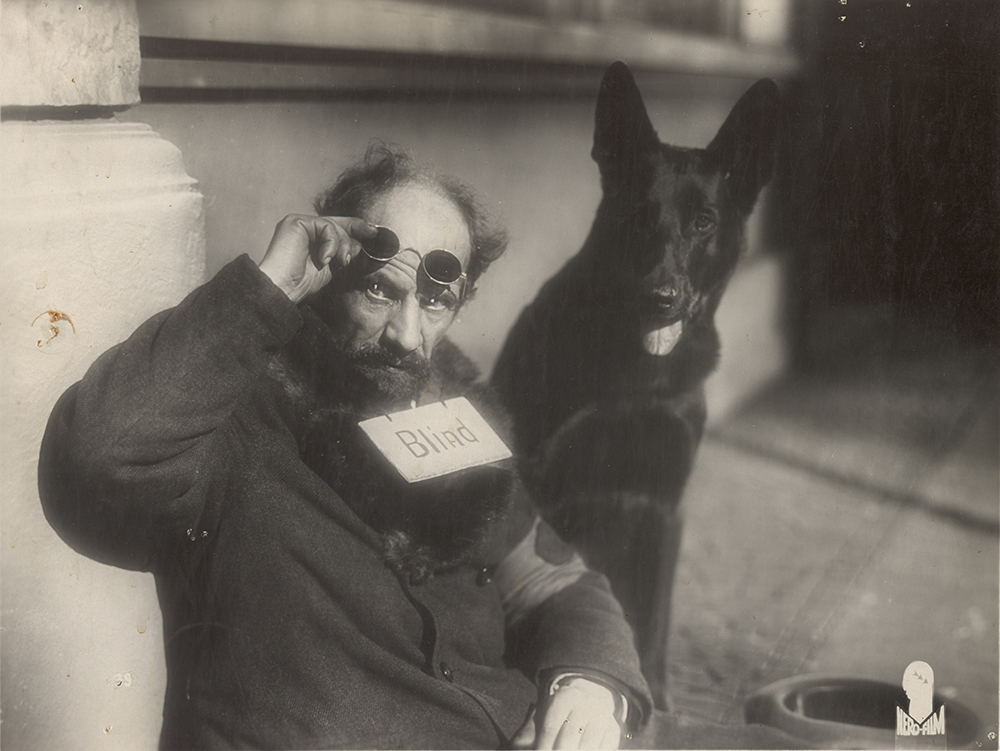
Le Cordon Rouge
Lecture by Roland Fischer-Briand
Sammlungen des Österreichischen Filmmuseums
Heiligenstädterstrasse 175 (im Hof)
1190 Wien2019 April 11 / 17:00Based on archival documents from the photo-collection of Austrian Film Museum I will challenge the question in how far FILM as an event, hence as an experience can be traced/documented/re-animated outside the darkness of the cinema. Through pairwise comparison of singular artifacts in various medias, correspondences and oppositions might shed light of what – and in which fashion – can be reflected and illuminate the state of mind from the past. And equally important, which questions they might still conceal.
-
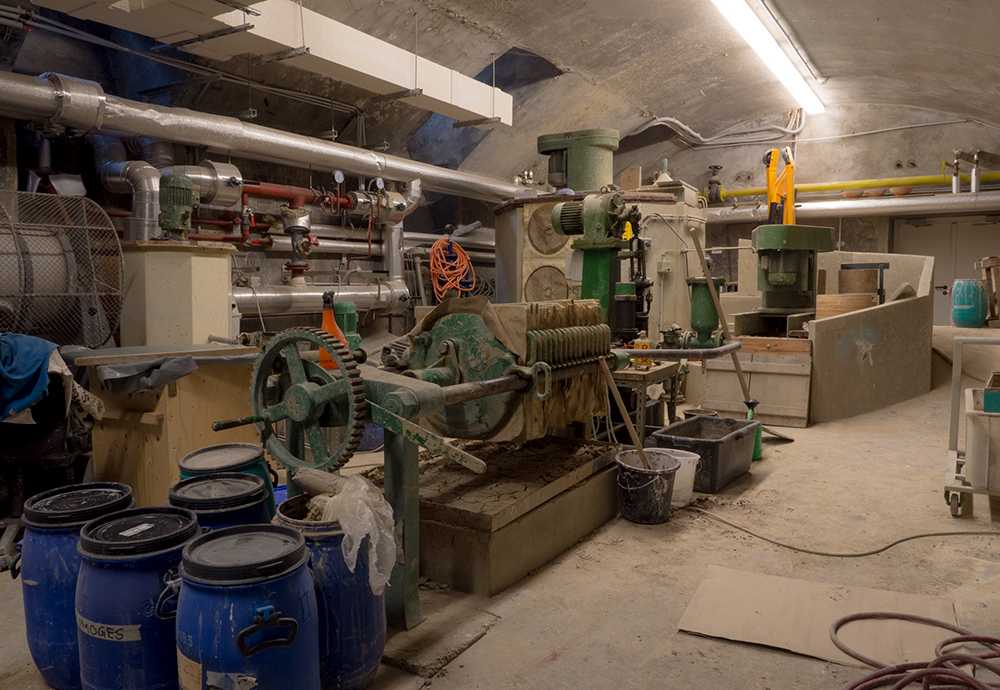
Untergrund II
Lecture performance by Katrin Hornek
within the workshop
The Anthropocene: Challenging the DisciplinesSky Lounge
hosted by the Vienna Anthropocene Network
University ViennaOskar-Morgenstern-Platz 1
1010 Vienna2019 April 08 / 09:00
-
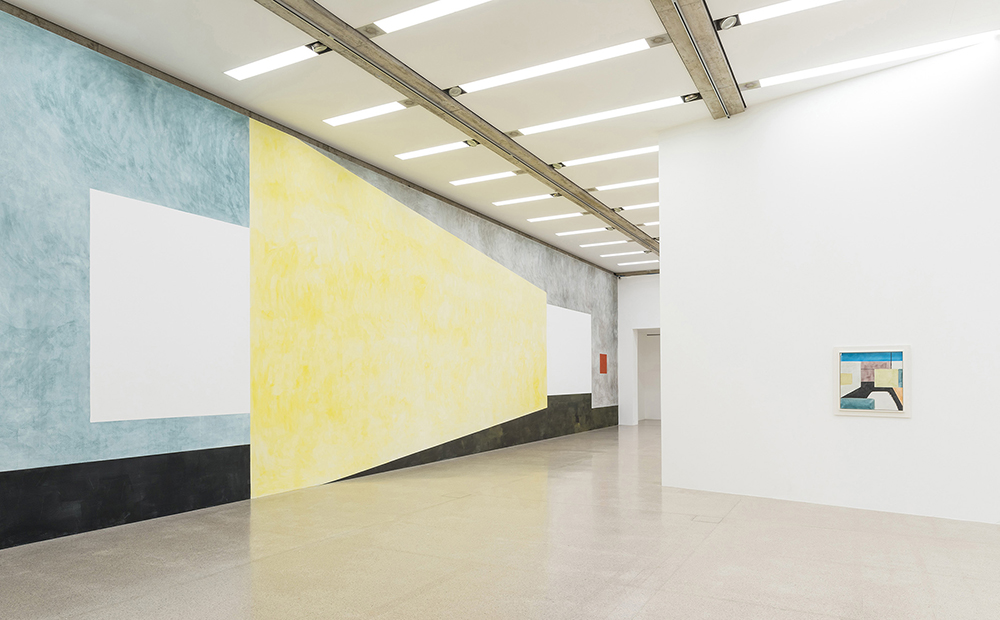
Very angenehme Konzept-kunst
Lecture by Ernst Caramelle
Paulusplatz 5, Seminarraum 2. Stock
1030 Wien2019 April 04 / 16:00
-
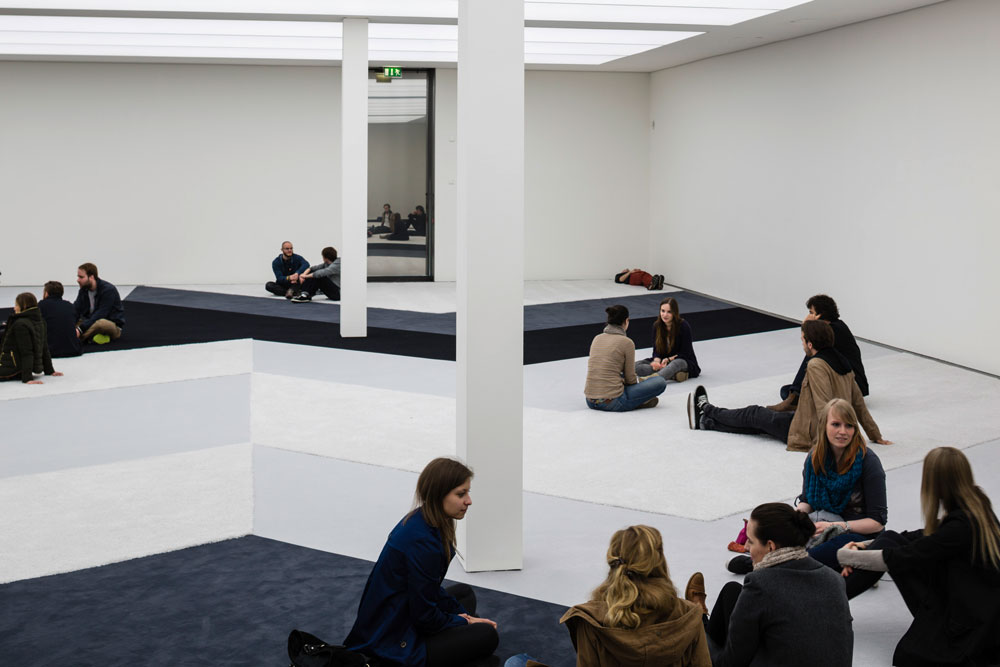
memoiré et doublier
Lecture by Katrin Mayer
Paulusplatz 5, Seminarraum 2. Stock
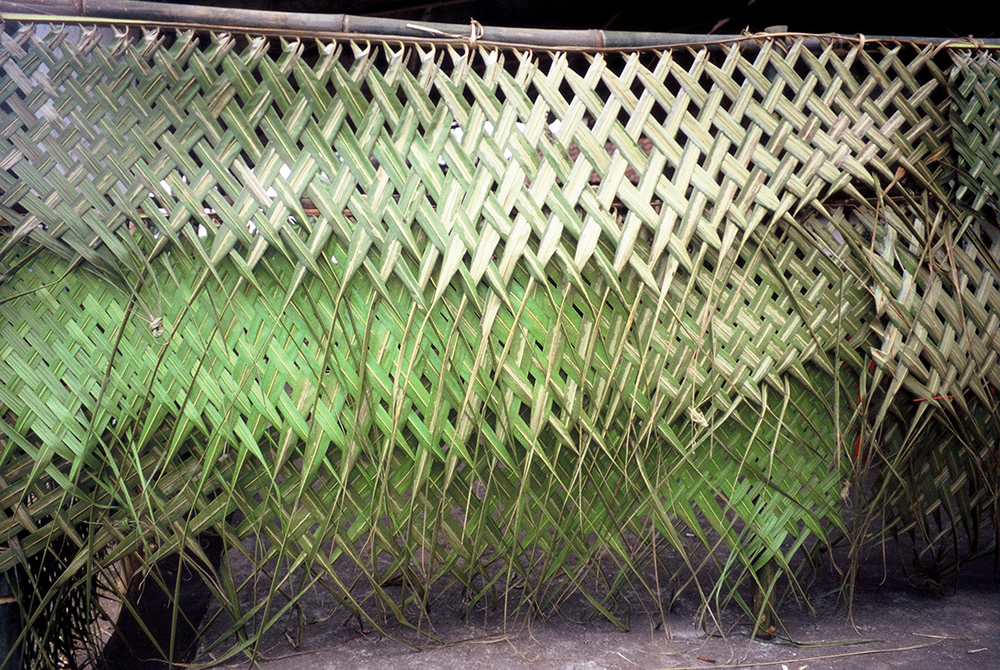
1030 Wien2019 March 28 / 13:00memoiré et doublier is the title of an exhibition Katrin Mayer developed for the Kunstmuseum Stuttgart in 2013. The title indicates relevant procedures of her site-specific practice. Derived from the terms ‚Moiré‘ et ‚Doublierware‘ it describes an unforeseen shift within a pattern or raster which occures during printing or weaving processes.
-
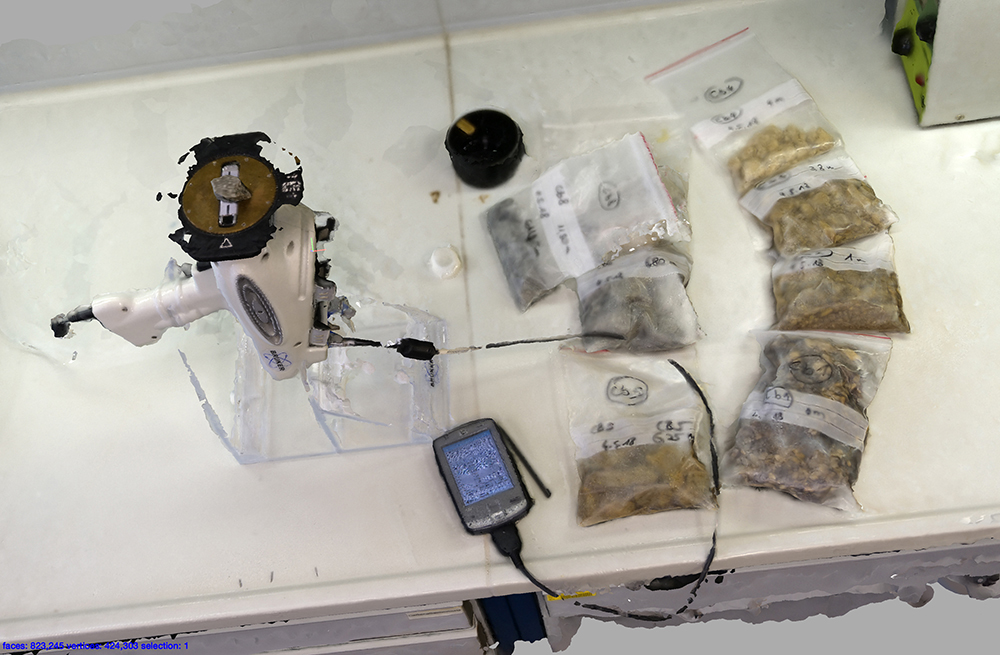
Wiener Untergrund
Katrin Hornek
Paulusplatz 5, Seminarraum 2. Stock
1030 WienSummer 2019Im Rahmen der Lehrveranstaltung sprechen wir über Künstlerische Forschung. Entlang meines eigenen Forschungsprojektes werden wir in Ausflügen, Texten und Gesprächen dem Digitalisierungsprozess des anthropogenen Wiener Untergrundes in eine 3D-modellierte Landschaft folgen. Von der physischen Probe zum Datensatz, vom Erdkörper zum Avatar, vom Standort zur trackbaren Geolocation.
As part of the course, we will talk about Artistic Research. Alongside my own research project, we will follow the digitization process of the anthropogenic Viennese underground into a 3D-modeled landscape through excursions, texts and talks. From the physical sample to its data record, from terrestrial body to avatar, from location to geo-location.
-
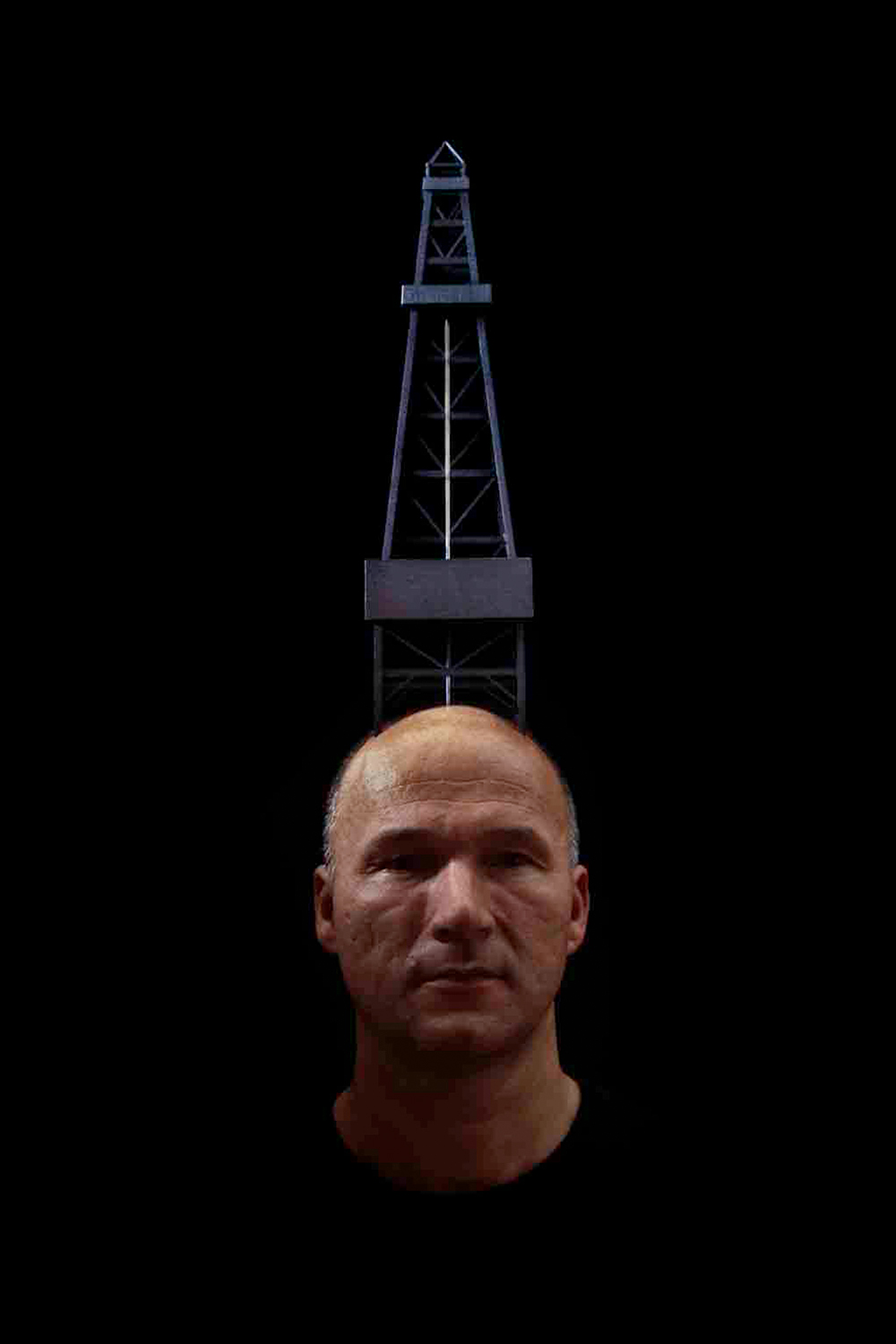
Reflecting Oil – Art and Petroculture
Ernst Logar
Paulusplatz 5, Seminarraum 2. Stock
1030 WienSummer 2019Der Begriff Petroculture beschreibt unsere heutige postindustrielle Gesellschaft als eine Gesellschaft, die durch und durch Erdöl in physischer und materieller Form geprägt ist. Vom Automobil, über Autobahnen, die allgegenwärtige Verwendung von Kunststoffen, über unsere Nahrungsversorgung bis hin zu unserer gebauten Umwelt.
Doch viel signifikanter ist, wie dieser fossile Energieträger unsere Werte, Praktiken, Gewohnheiten und Gefühle gestaltet. Doch ist es schwierig dieses Faktum zu beleuchten.
-
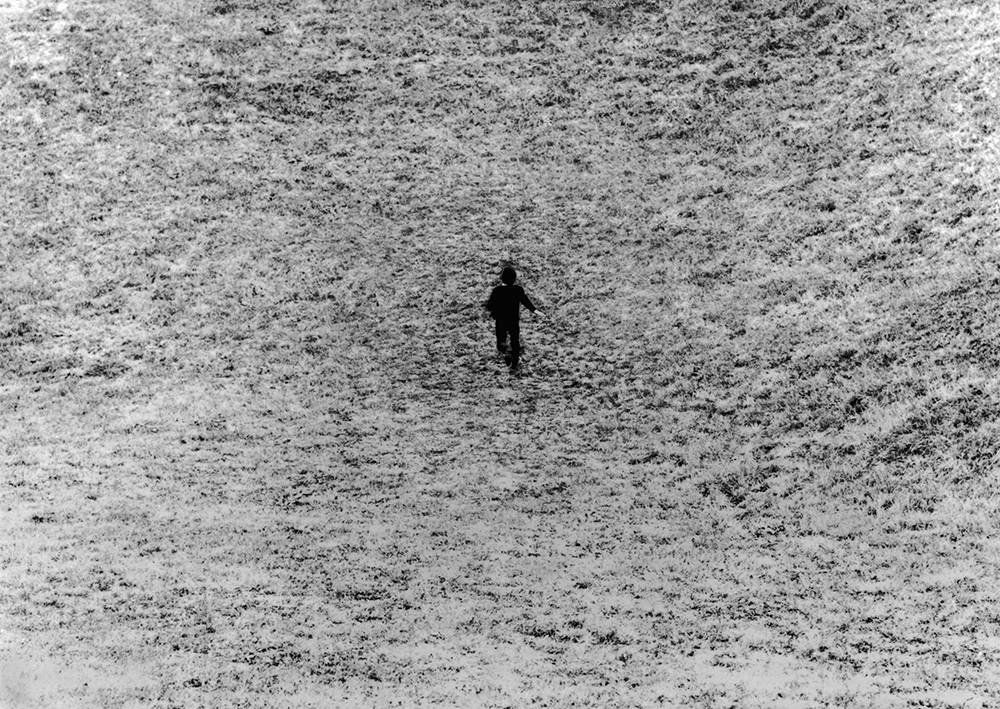
Vorstellungen zu Natur, Landschaft und Universum
Christiane Meyer-Stoll
Paulusplatz 5, Seminarraum 2. Stock
1030 WienKunstmuseum Liechtenstein
Vaduz, LiechtensteinSummer 2019Entrare nell’opera (1971) zeigt Giovanni Anselmo im Zentrum einer mit Selbstauslöser aufgenommenen Schwarzweissfotografie als winzige Silhouette über eine Wiese laufend. Im Betreten des realen Landschaftsraums spiegelt sich nicht nur der unmittelbare Wunsch, selbst als Person das Werk zu betreten, sondern auch Teil des Lebens und des Kosmos zu sein.
-
History and Theory of Landscapes
Karin Raith
Oskar-Kokoschka-Platz 2, Seminarraum 06
1010 WienSummer 2019“Whether inside the white cube or out in the Nevada desert, whether architectural or landscape-oriented, site-specific art initially took the ‘site’ as an actual location, a tangible reality, its identity composed of a unique combination of constitutive physical elements…” Das ist einer der ersten Sätze von Miwon Kwons grundlegendem Text “One place after another: Notes on Site Specificity” (1997), der darauf hinweist, dass der “Ort” seit den Anfängen der (explizit) ortsspezifischen Kunst in vielerlei Hinsicht interpretiert wurde.
“Whether inside the white cube or out in the Nevada desert, whether architectural or landscape-oriented, site-specific art initially took the ‘site’ as an actual location, a tangible reality, its identity composed of a unique combination of constitutive physical elements…” This is one of the first sentences of Miwon Kwon’s seminal text “One place after another: Notes on Site Specificity” (1997), which suggests that the ‘site’ has been interpreted in many ways since the beginnings of (explicitly) site-specific art.