
-
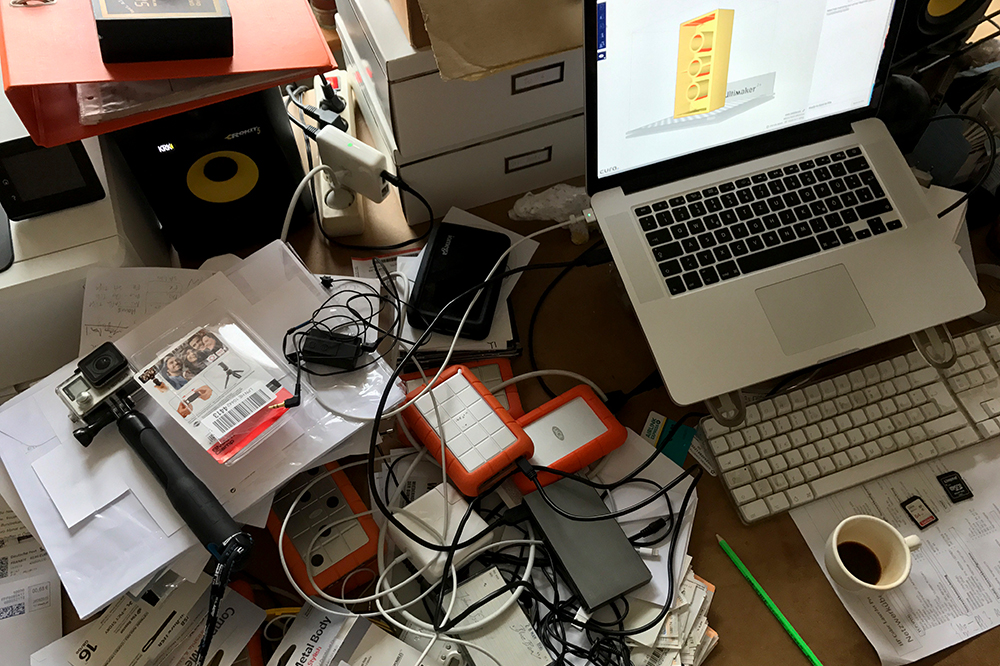
Digitales Arbeiten #12
Philipp Haupt
Paulusplatz 5, Studios 3.Stock
1030 WienSummer 2017Künstlerische Herangehensweisen an das digitale Arbeiten:
The course continues to mimic a Digital Arts Minor Programme in a nutshell. It tries to convey audio/video/computer competencies through practical training as well as knowledge of various analog-digital conversion processes. The noble goal of this undertaking is nothing less than „understanding media“.
-
Frances Bodomo
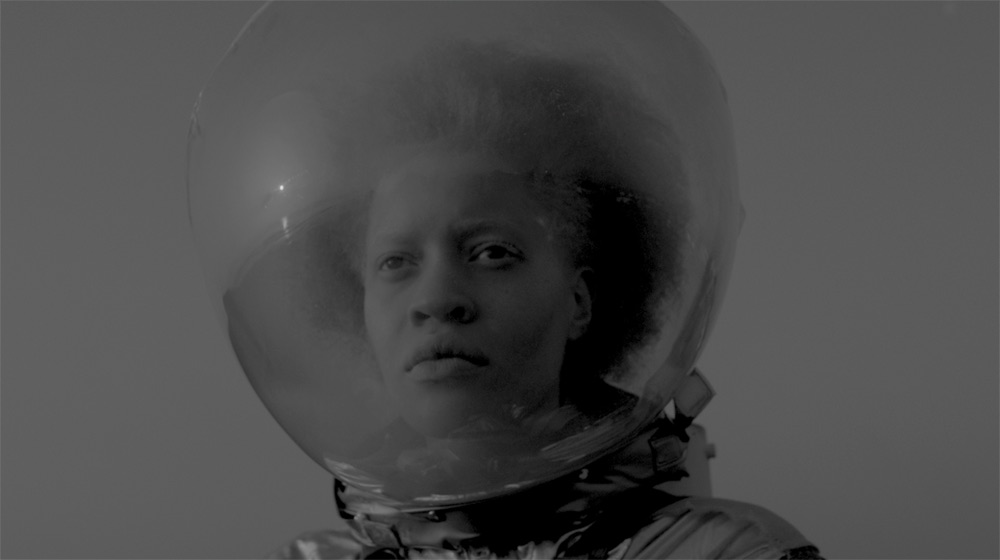
Frances Bodomo
Film-screening und artist talk
Paulusplatz 5, Seminarraum 2. Stock, 1030 Wien2017 January 26 / 16:00New York-based writer and director Frances Bodomo will screen and talk about her film “Afronauts” (USA, 2014, 13 min).
It’s July 16, 1969: America is preparing to launch Apollo 11. Thousands of miles away, the Zambia Space Academy hopes to beat America to the moon in this film inspired by true events.
-
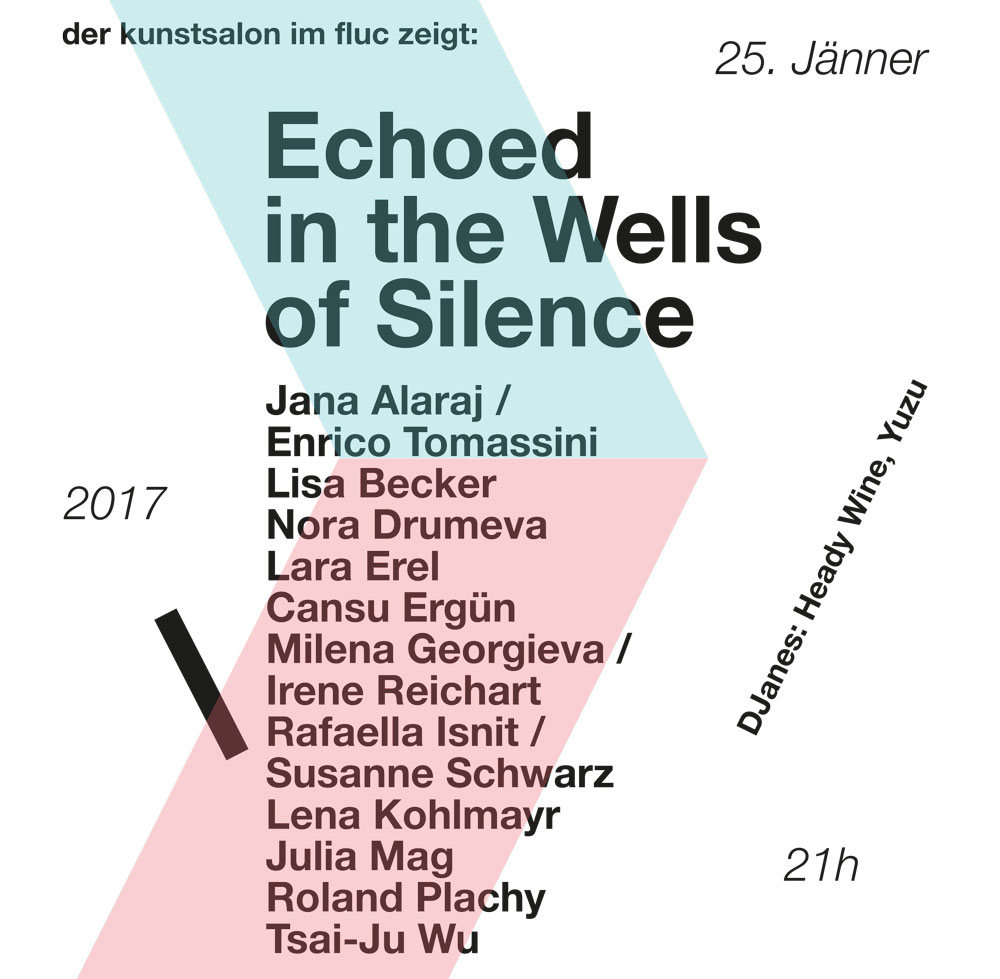
Echoed in the Wells of Silence, Fluc
Presentation of student works
from Johanna Tinzl’s courseIn der Kubatur des Kabinetts
Kunstsalon im Fluc, Praterstern, 1020 Vienna2017 January 25 / 21:00
-
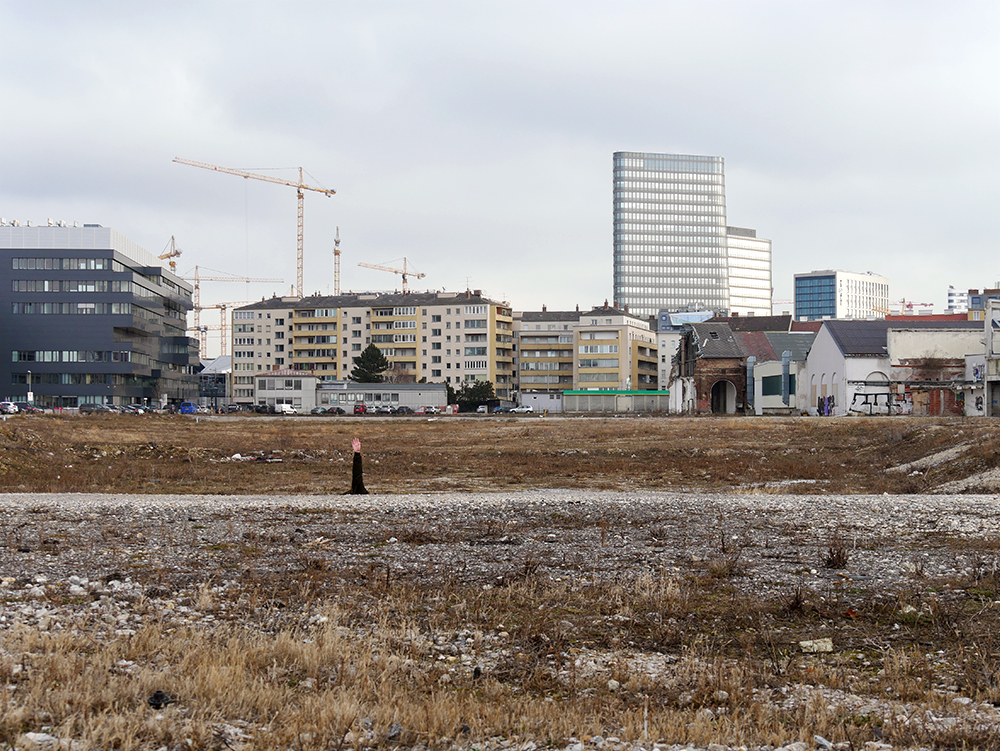
Sonntag Nachmittag
Diplom von | Diploma work by
Nora Gutwenger, January 2017Location: Haidgasse 7a, 1020 Wien
Focus Angewandte, 26.1.2017, 12-18h2017 January 25Meine Arbeiten beginnen mit der Suche nach einem Ort. Haben wir uns gefunden, teilen wir Zeit miteinander, immer und immer wieder. Bis wir beginnen uns auszutauschen, über all das, was uns umgibt. In Sonntag Nachmittag ist dieser Ort das Gelände am Wiener Hauptbahnhof. Ein Ort, der mich leitet, nicht physisch sondern emotional.
My work begins with the search for a place. Once we‘ve found each other, we‘ll share time with one another, again and again. Until we begin to talk about all that surrounds us. In Sunday Afternoon this place is the Wien Hauptbahnhof railway station. A place that guides me, not physically but emotionally.
-
Marion Porten
Lecture by Marion Porten
Paulusplatz 5, Seminarraum 2.Stock
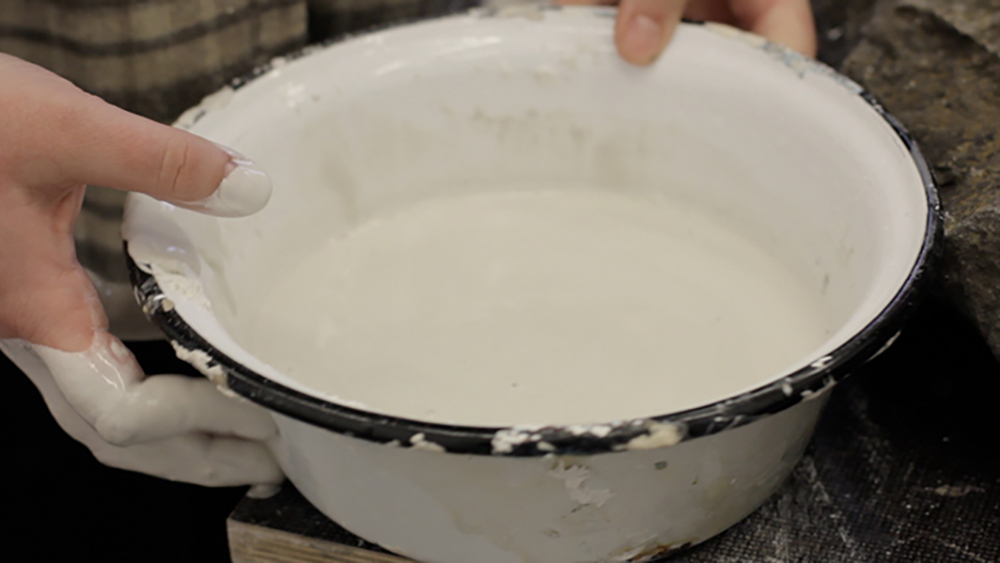
1030 Wien2017 January 19 / 12:00Marion Porten wird einige ausgewählte Arbeiten vorstellen, darunter auch ihr im Prozess befindliches Video; eine Begegnung mit einem namenlosen, verstaubten Gipsportrait einer Frau* (um 1900) in der Glyptothek der Akademie der bildenden Künste Wien. Diese bildet den Ausgangspunkt einer filmischen Auseinandersetzung mit ’emanzipativen’ Prozessen weißer queerer Frauen* im Kontext kolonialer und rassistischer Gewaltherrschaft…
Marion Porten will present selected works, among them her work in process; an encounter with a nameless, dusty plaster bust of a woman*, in the Glyptothek of the Academy of Fine Arts Vienna. This sets the starting point for a filmic investigation into emancipative concepts of white queer women* in the context of colonial and racist tyranny…
-
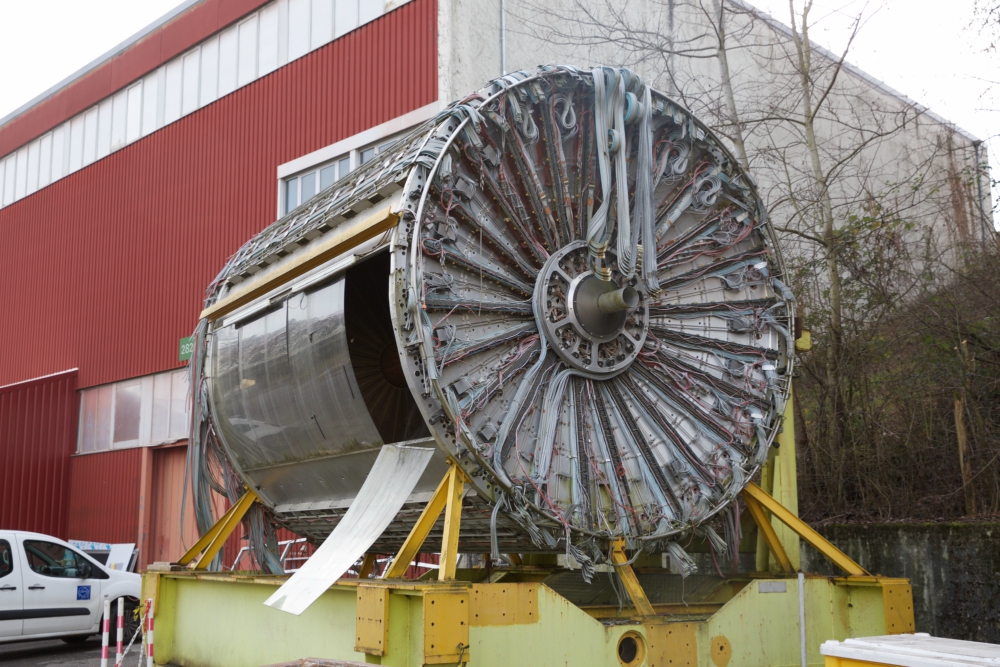
Visiting Cern
Excursion to CERN, Geneva
2016 December 17 – 2016 December 21
-
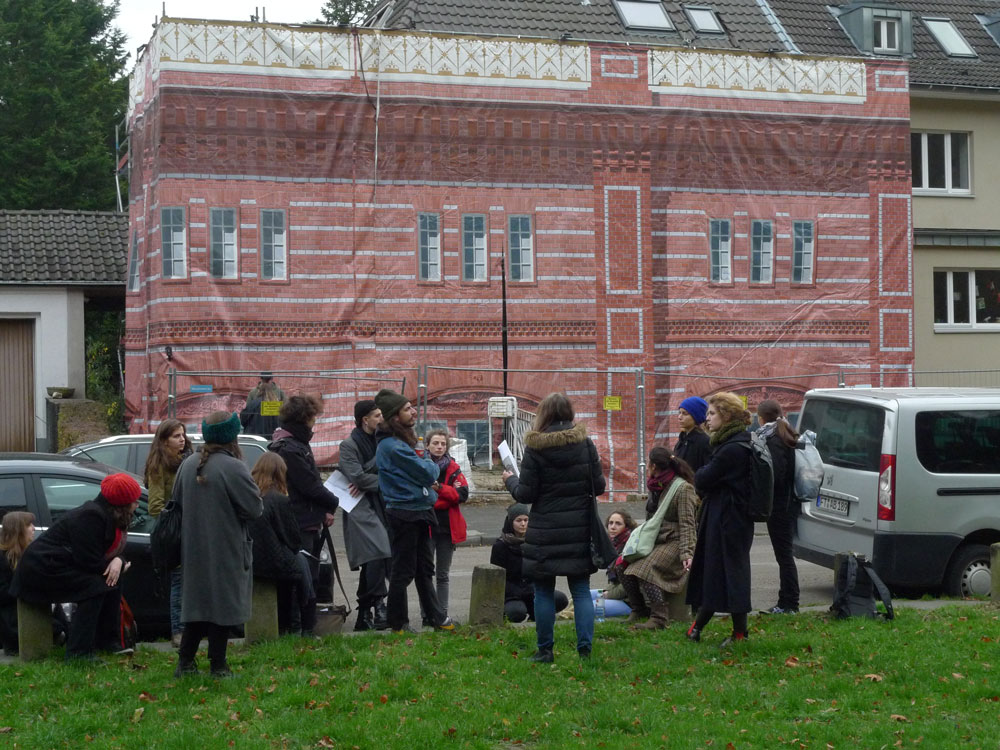
Gabriele Mackert
Exkursion Deutschland
2016 November 24 – 2016 November 27Kunst kann seine Beziehung zu einem Ort sowohl materiell als auch konzeptuell herstellen. In diesem Sinne kann der Ort zum bestimmenden Faktor werden. Miwon Kwon nennt dies unter anderem Lokalität. Sie verleihe dem Kunstwerk spezifische Merkmale, die sich auf dessen Parameter, seine Wahrnehmung und Deutung auswirken. Werke, Projekte, Interventionen oder Performances versuchen Orte zu gelebter Erfahrung zu wandeln.
-
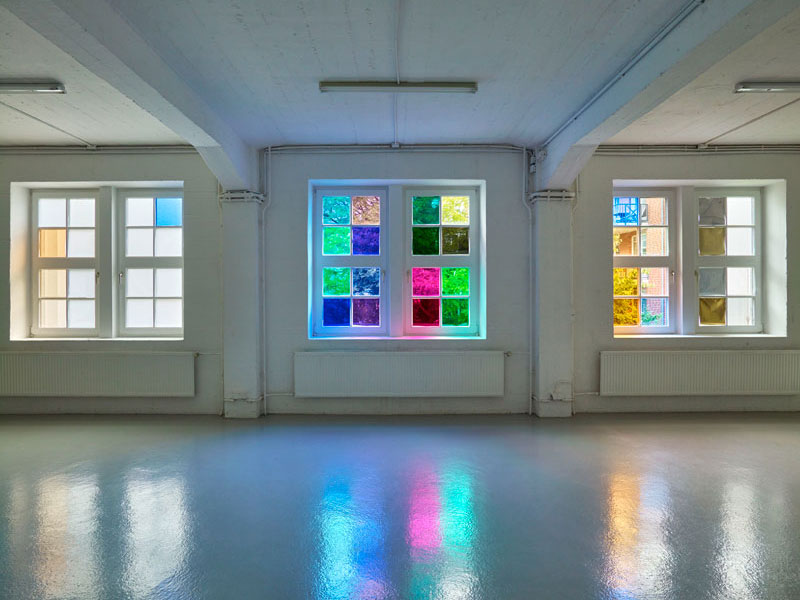
An Answer to Sculptures
Lecture by Tenzing Barshee
Paulusplatz 5, Seminarraum 2.Stock
1030 Wien2016 November 17 / 15:00 – 2016 November 17 / 17:00An Answer to Sculptures – the work of Margaret Honda
Tenzing Barshee will talk about two recent exhibition projects titled “Sculptures” at Triangle France in Marseille (2015) and “An Answer to ‘Sculptures’” at Künstlerhaus Bremen (2016). Both exhibitions were monographic retrospective projects on the work of Margaret Honda who lives and works in Los Angeles.
-
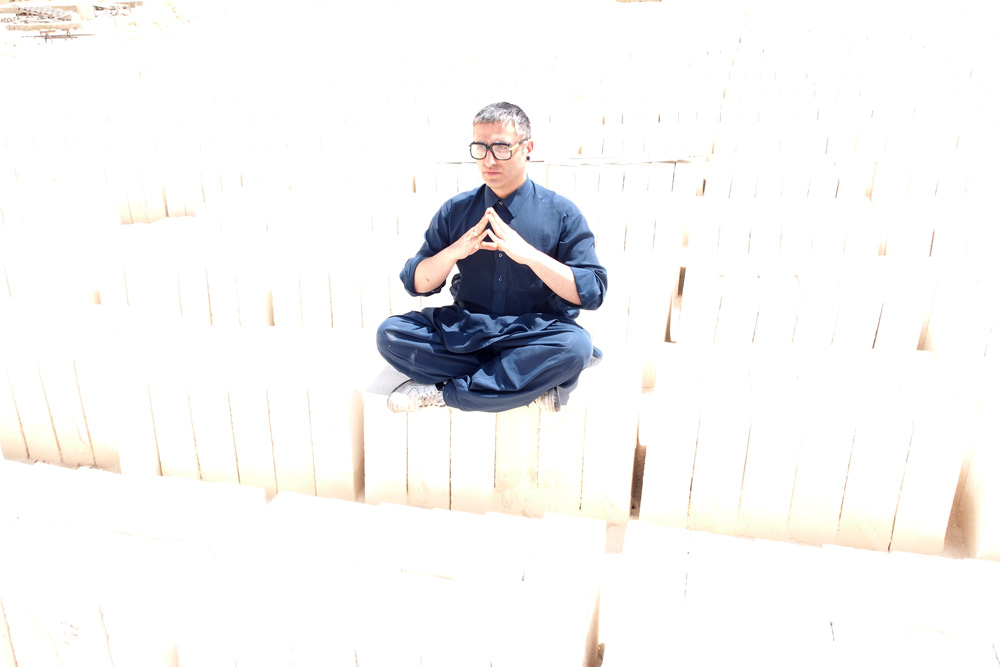
Schweine & Widerstand
Vortrag von Fahim Amir
Paulusplatz 5, Seminarraum 2.Stock
1030 Wien2016 November 03 / 11:00
-
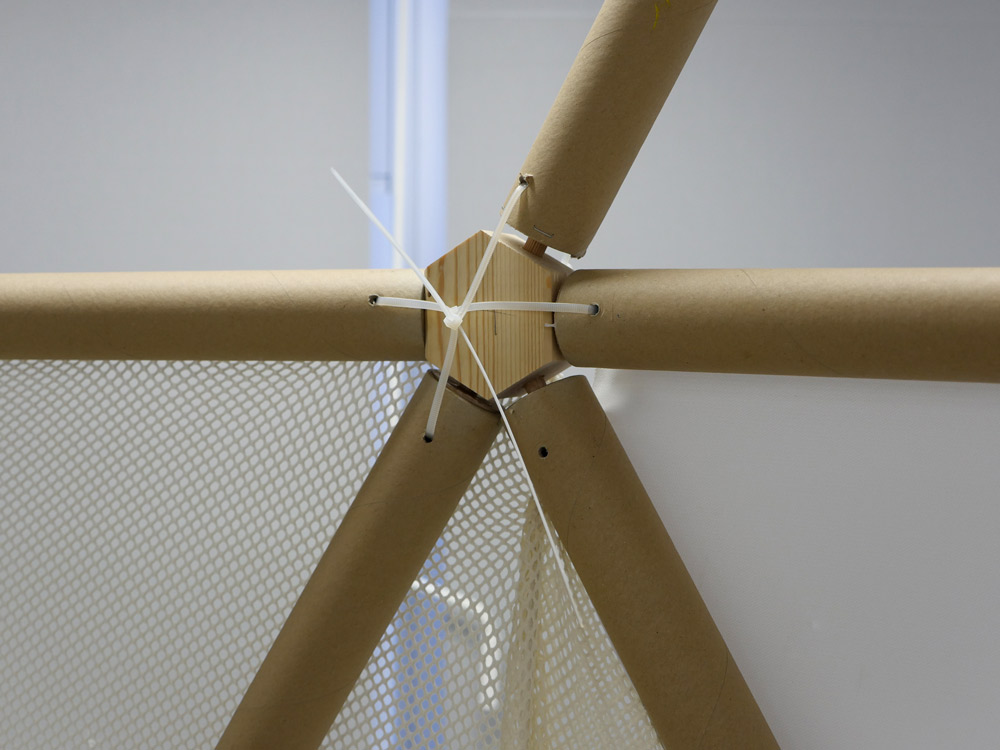
Dome entered the house
Presentation of the Round Table Display Setting built by students (Natalia Gurova, Benedikt Meixl, Roland Plachy, Miña Tarilonte)
Kunsthalle Exnergasse, 29.10.2016, 15:00
2016 October 29We built a Dome in the house. We built a part of the legendary structure which is used everywhere today to embrace our Round Table Propulsion: On Changing Futures. The event was dedicated to the Future, unknown but appealing. After putting aside scissors, staplers and rafters we are happy to invite you to explore the contemporary meaning of the Dome and to take part in our handcraft exercise. History, construction process, place&space transformation, discussion…