-
Experimente mit dem existenziellen Raum
Franz Xaver Baier
Paulusplatz 5, Seminarraum 2.Stock
1030 WienSummer 2017Das Seminar bietet die Möglichkeit, ein hochaktuelles Verständnis von Raum kennenzulernen und experimentell anzuwenden. Im Unterschied zu vielen Arten des Räumlichen geht es beim existenziellen Raum um den Raum, der man selbst ist und mit dem man es permanent zu tun hat. Da alles eine räumliche Wirkung hat ist dieser Raum auf vielfache Weise beeinflussbar. Daraus ergeben sich für die Kunst viele Möglichkeiten.
-
Contemporary Archaeology of Outer Space
Alice Gorman
Paulusplatz 5, Seminarraum 2.Stock
1030 WienSummer 2017This course will be a journey through the material culture of outer space, from the surface of the Earth to the limits of the solar system. Space age artefacts include components of massive technological systems, such as satellites in Earth orbit and the terrestrial antennas which receive their signals, blast-corroded surfaces at launch pads and on the moon, and disposable cable ties which are manufactured and discarded in their millions.
-
Unplugged Images
Katrin Hornek
Paulusplatz 5, Seminarraum 2.Stock
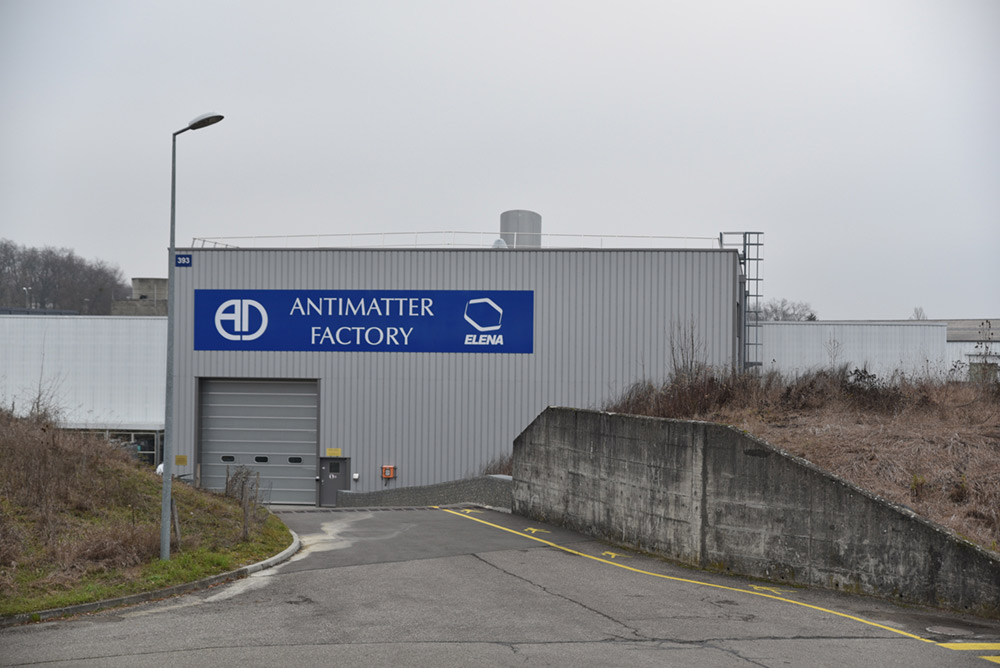
1030 WienSummer 2017An Observation on CERN.
Researchers at CERN use the world’s largest particle accelerator, the Large Hadron Collider (LHC) to reproduce the primordial soup that made up the universe a few billionth of a seconds after the Big Bang. After our excursion last December to the socio-technical machine CERN, where more than 100.000 researchers from over 100 nations are trying to find the building blocks of our universe, we have become pixel-recorders by ourselves.
-
Chaos und Ordnung
Manfred Bergauer
Gemeinsame Vorbereitung und Organisation zur Exkursion „Umrundung“Summer 2017Wie Interaktionssysteme ihre eigene Zukunft gestalten
…vorhanden aber nicht immer sichtbar. Diese Frage wird als tägliche Ausgangs-Frage in der Arbeitswoche gestellt.
“Ein Interaktionssystem kommt zustande und löst sich wieder auf”.
Wir werden dieses Interaktionssystem eine Arbeitswoche lang aufrechterhalten, auch um die eigene Zukunft, neben der Zukunft der Interaktionsgruppe – zu gestalten.
-
Wien Umrundung
Nicole Six und Paul Petritsch
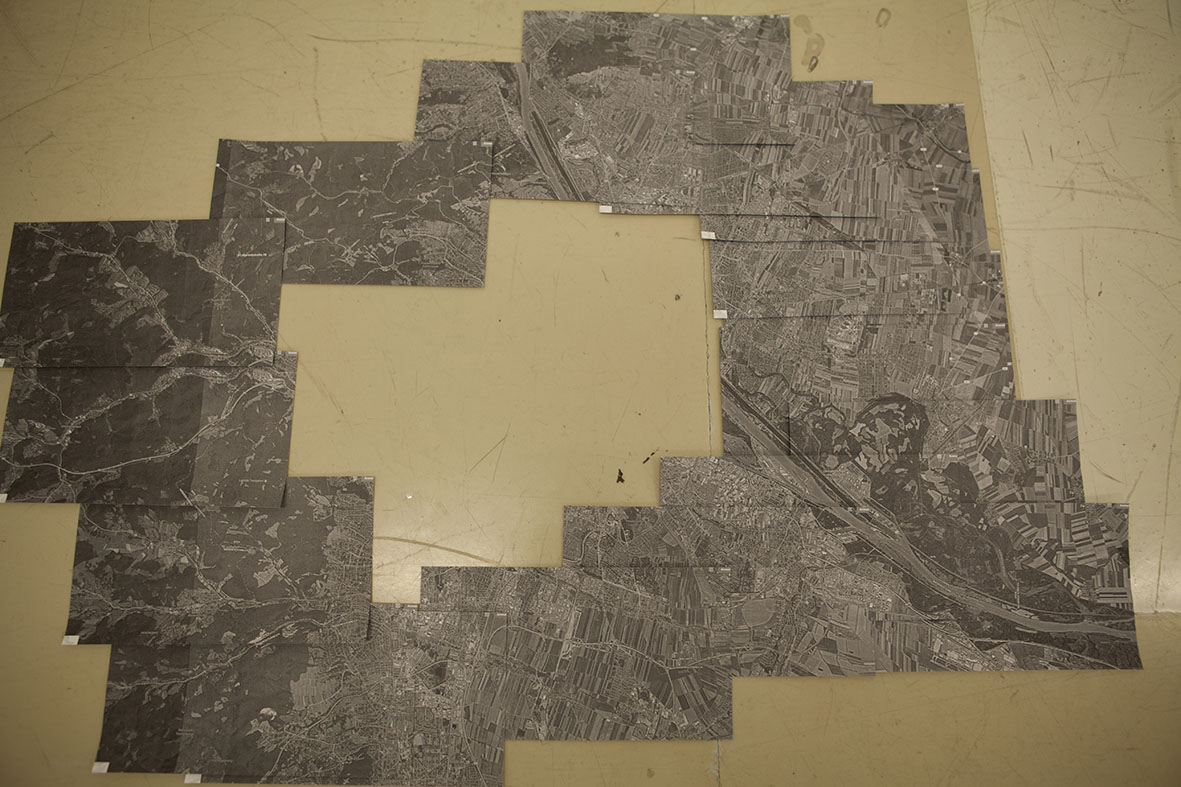
Exkursion in Zusammenarbeit mit der Lehrveranstaltung Chaos und Ordnung/Manfred BergauerSummer 2017
-
History and Theory of Landscapes
Karin Raith
Paulusplatz 5, Seminarraum 2.Stock
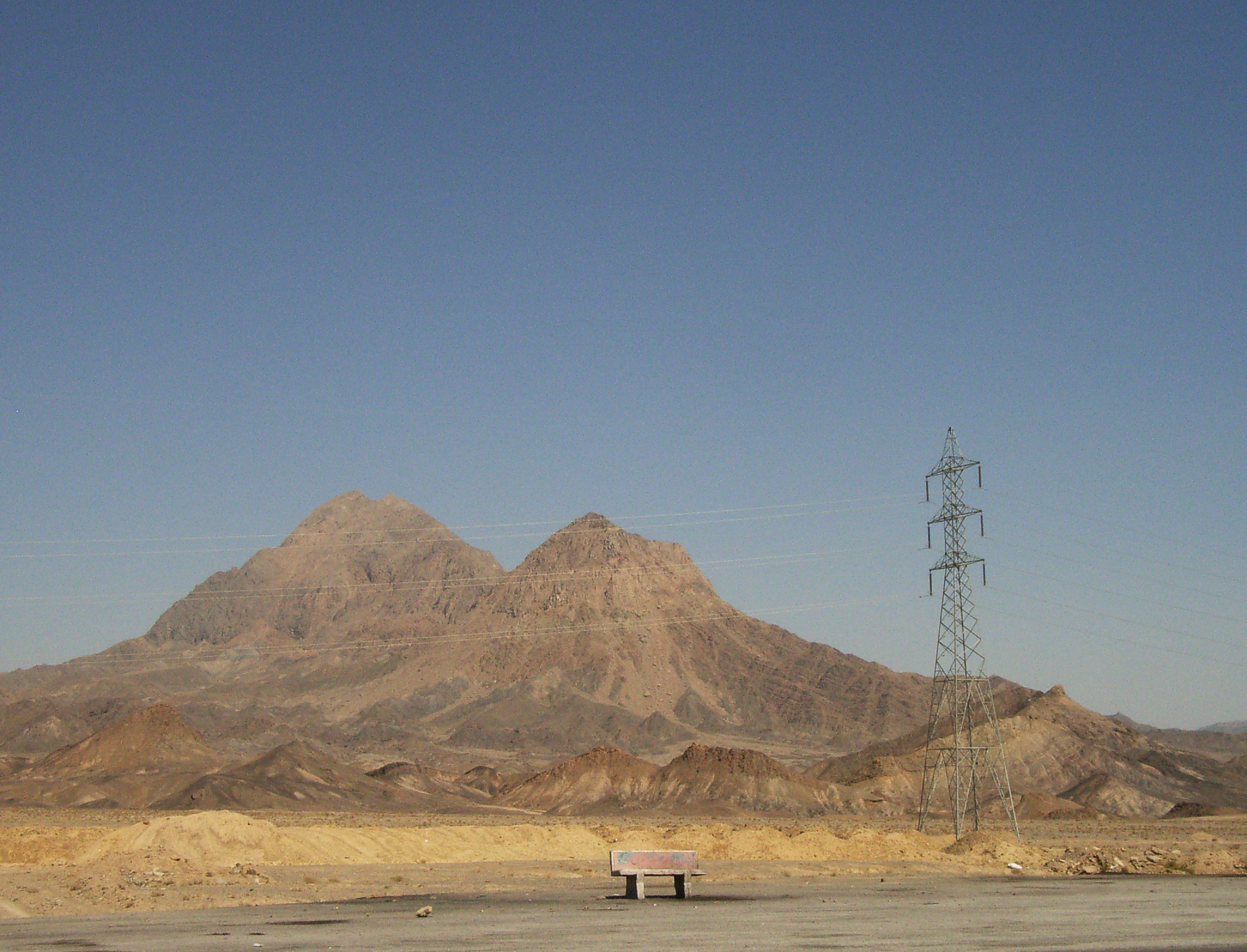
1030 WienSummer 2017Die LV befasst sich mit dem Phänomen Landschaft und vor allem mit den Kräften, die hinter der visuellen Erscheinung individueller Landschaften wirken. Was ist „Landschaft“ überhaupt? Wie entstehen Landschaften? Warum weisen bestimmte Kulturlandschaften bestimmte Merkmale auf – oder in anderen Worten – warum sehen sie so aus wie sie aussehen? Auf welchen natürlichen Gegebenheiten basieren sie und welche ökonomischen, gesellschaftlichen und politischen Umstände und Entwicklungen haben sie geformt?
The course deals with the phenomenon landscape and, most importantly, with the forces behind the visual appearance of individual landscapes. What exactly is “landscape”? How do landscapes evolve? What are the reasons why cultural landscapes exhibit certain characteristics – or in other words – why do they look like they look? Which are the natural conditions they are based on? Which economic, social and political circumstances and developments have shaped them?
-
Zeitgenössische Choreografie- und Performance- konzepte
Krassimira Kruschkova
Paulusplatz 5, Seminarraum 2.Stock
1030 WienSummer 2017
-
Handwerken
Nikolaus Fuchs
Paulusplatz 5, Werkstatt
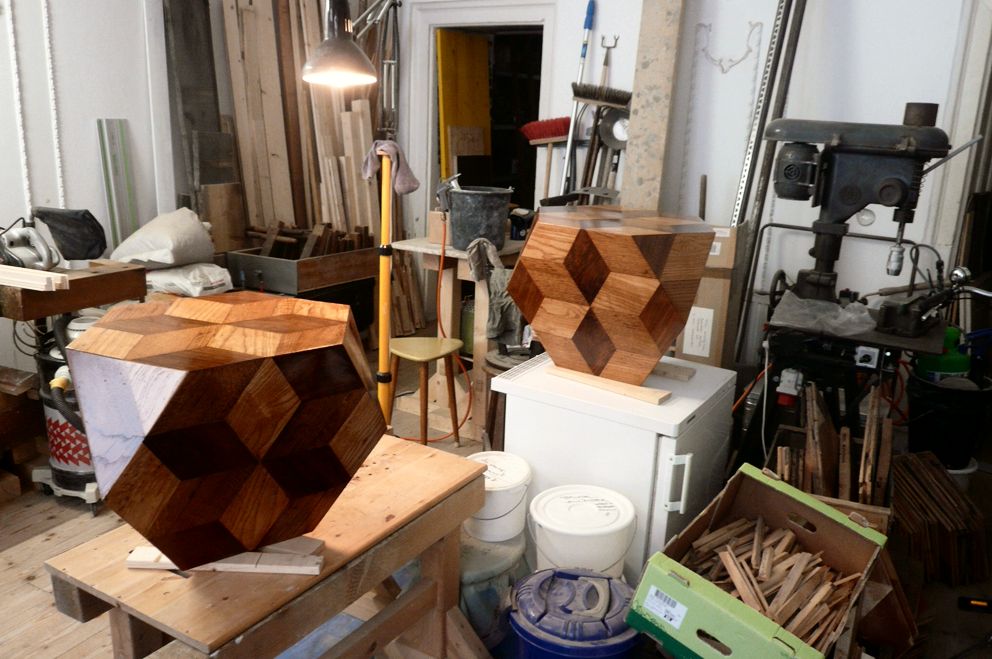
1030 WienSummer 2017Holz ist (k)eine knetbare Masse
Die LV soll Einblick geben in die Möglichkeiten der Ideenentwicklung mit Hilfe des Handwerks. Dabei werden Grundlagen von Werkzeuggebrauch und Materialien behandelt. Der Schwerpunkt liegt beim Material Holz.
Details auf Base Angewandte
Bild: Nikolaus Fuchs
-
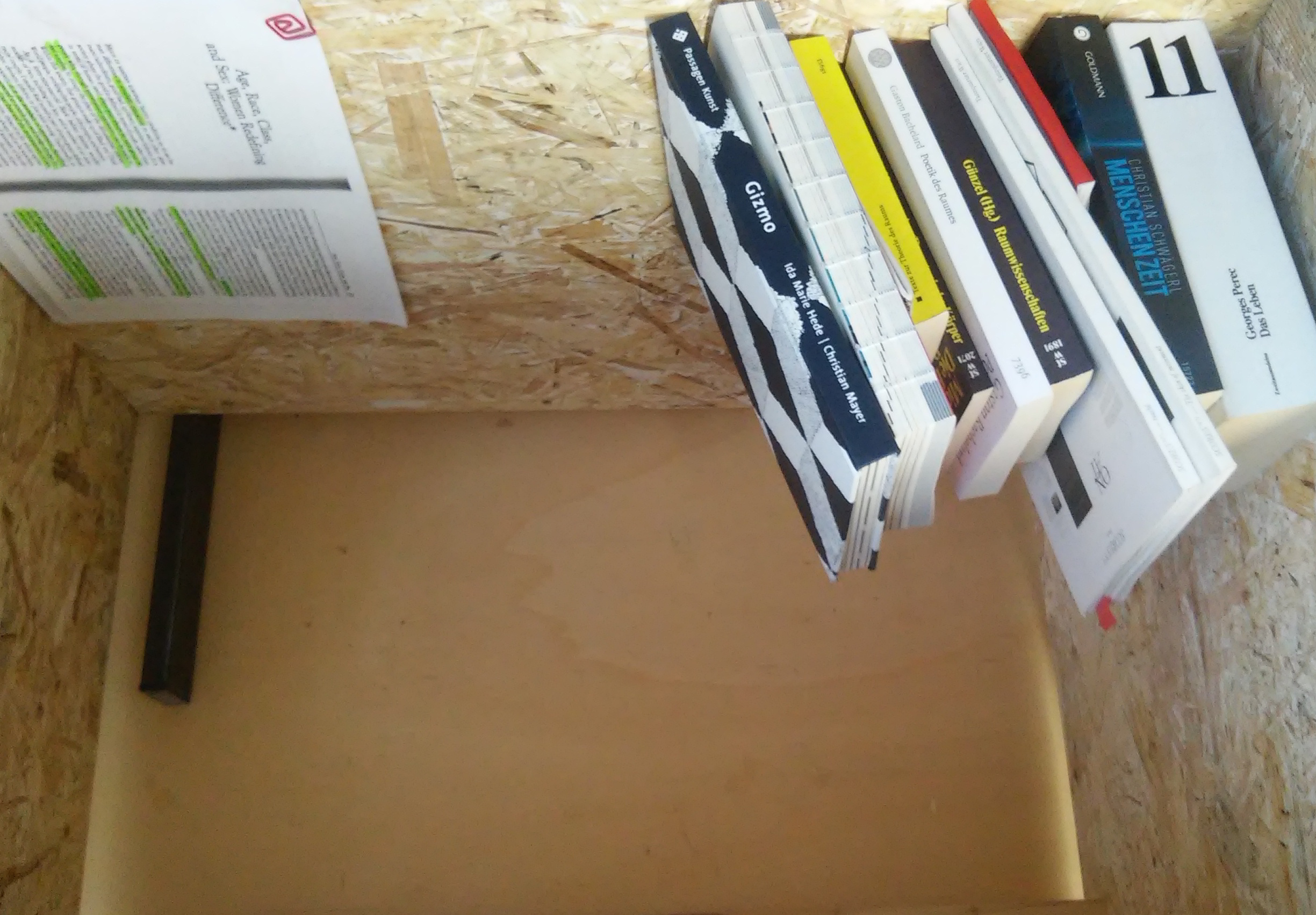
Claudia Slanar
Paulusplatz 5, Seminarraum 2.Stock
1030 WienSummer 2017The aim of this class is twofold as the library of site-specificity does not only contain books about the topic, but at the same time is a reflection of its own concept. Designed for a special purpose and a specific location, will it be destroyed when removed (paraphrasing Richard Serra’s statement about the removal of his site-specific sculpture “Tilted Arc” in 1981)? Isn’t a library, “this universe” (Jorge Luis Borges), always site-specific?