
-
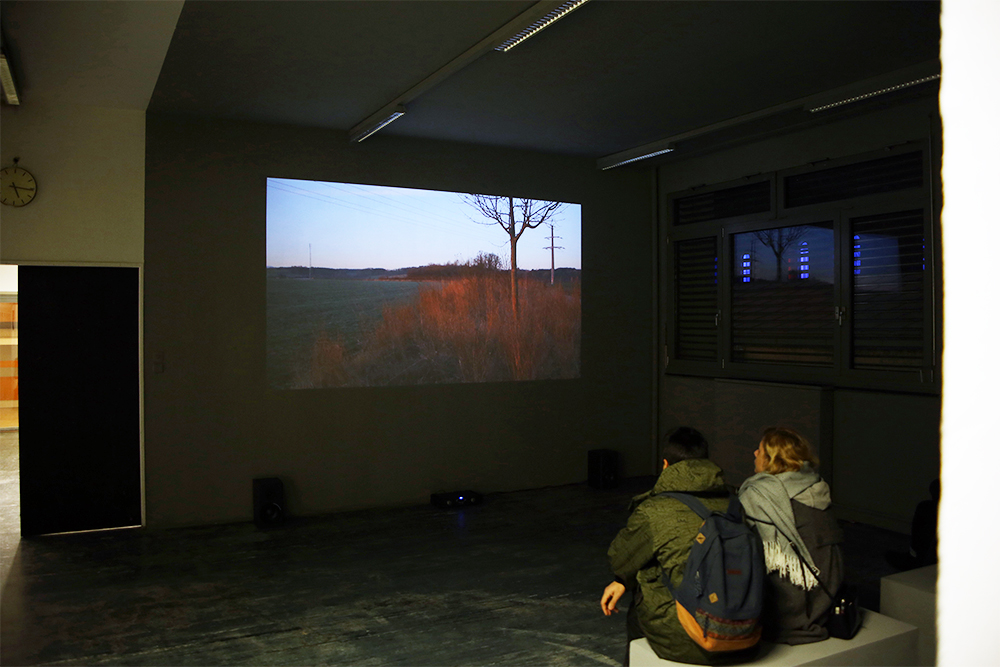
Digital Water:
Diplom von | Diploma work by
Christina Gruber, January 20162016 January 18
-
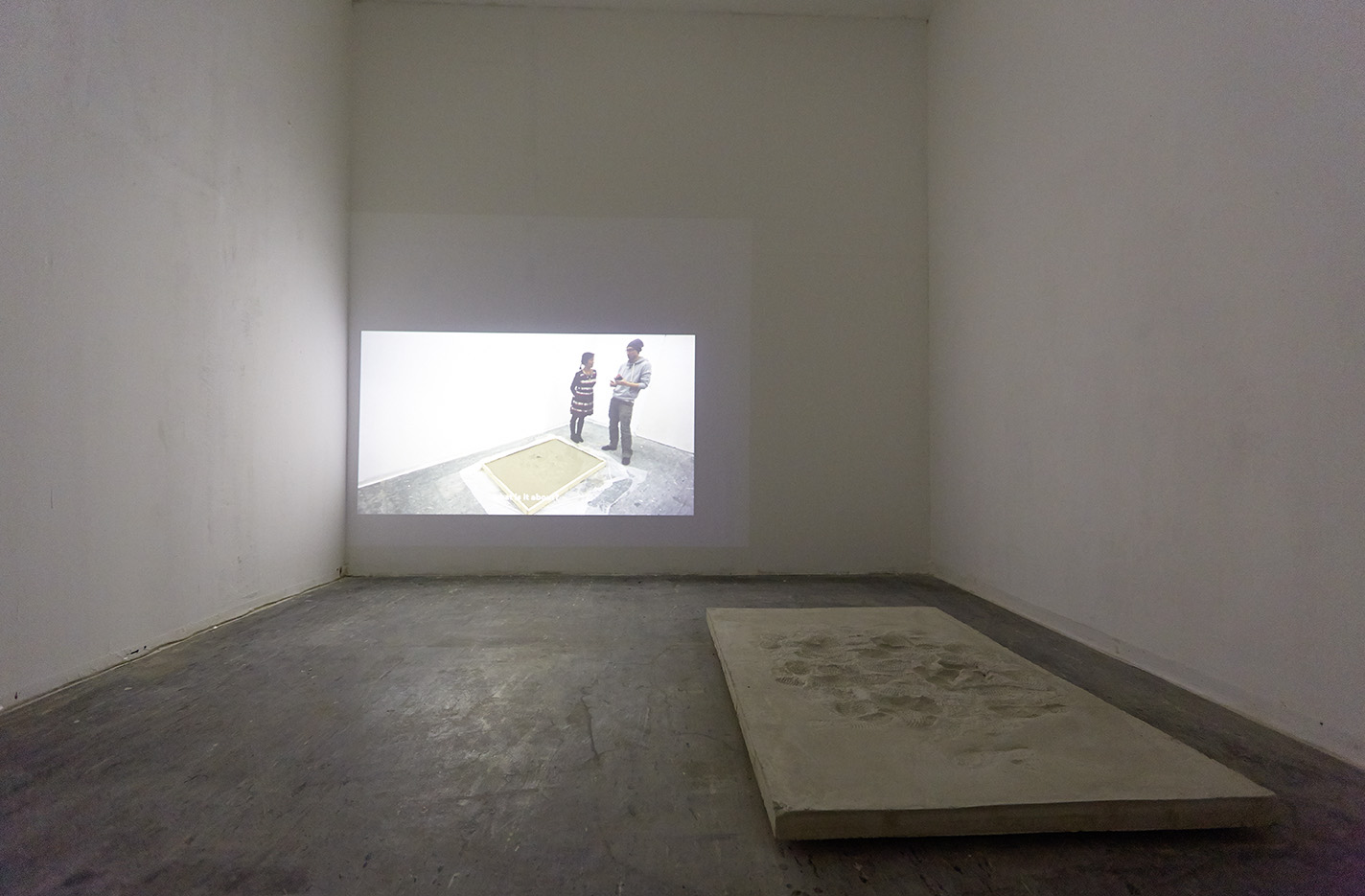
Guang Chang- Wu
Diplom von | Diploma work by
Pai Wu, January 20162016 January 17square dancing
If you use the search term “Guang Chang Wu” (Chinese for “square dancing”) on Baidu (China’s version of Google), you will get about 184 million items of news, 4,665 hits in music, 777 dancing groups, and of course numerous comments either supporting or disapproving. Guang Chang Wu is a collective public dance, which has been estimated to have 100 million participants in China. It has become a social phenomenon and cultural focus in China since years.
-
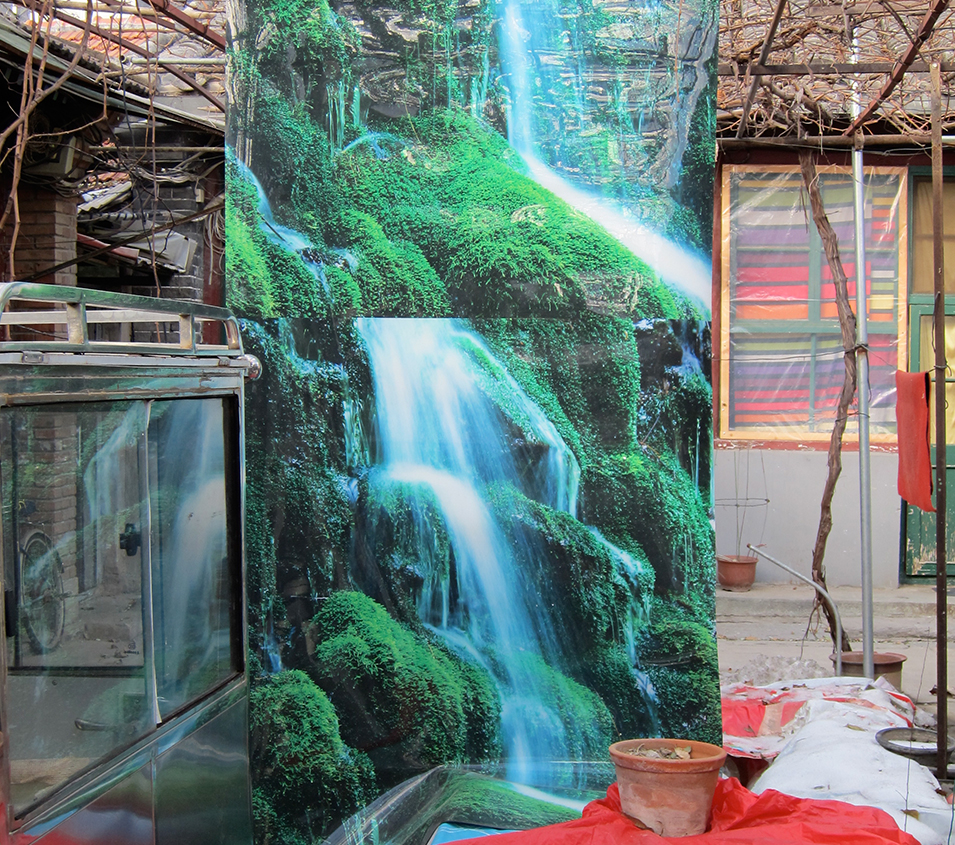
I:project space
presented by Antonie Angerer
Seminarraum Landschaftskunst
Oskar-Kokoschka-Platz 2, 1010 Wien2016 January 14 / 15:00In August 2014 I: project space, one of the first off-spaces in Beijing, was founded by the German curators Anna-Viktoria Eschbach and Antonie Angerer.
-
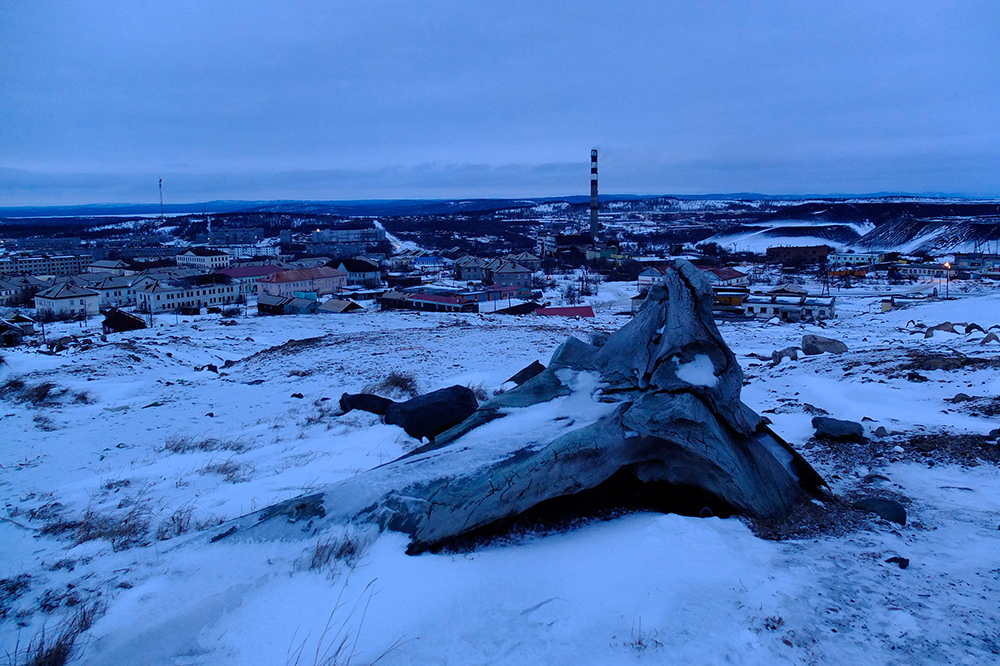
Dark Ecology
Journey participation by Katrin Hornek
visiting the Barents Region2015 November 26The second edition of the art and research project Dark Ecology takes place from 26 to 30 November 2015. The Dark Ecology Journey begins in Kirkenes in Norway’s northern extremes and travels via Nikel and Zapolyarny (Russia) to Murmansk, the largest Russian city above the polar circle.
-
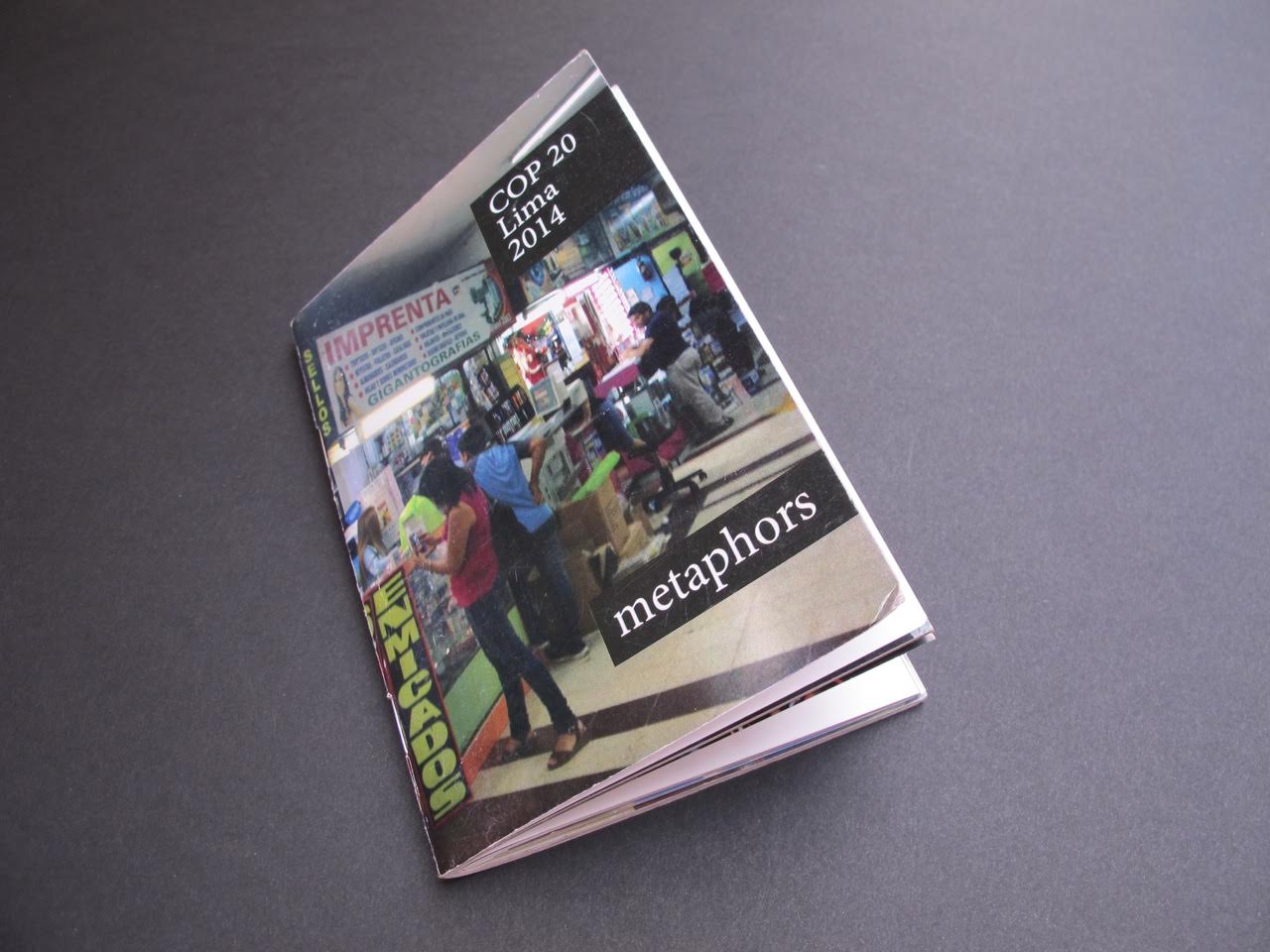
The Metaphors
A lecture-performance by
Jeroen Peeters and Jozef WoutersSeminarraum Landschaftskunst
Oskar-Kokoschka-Platz 2, 1010 Wien2015 November 19 / 13:00
-
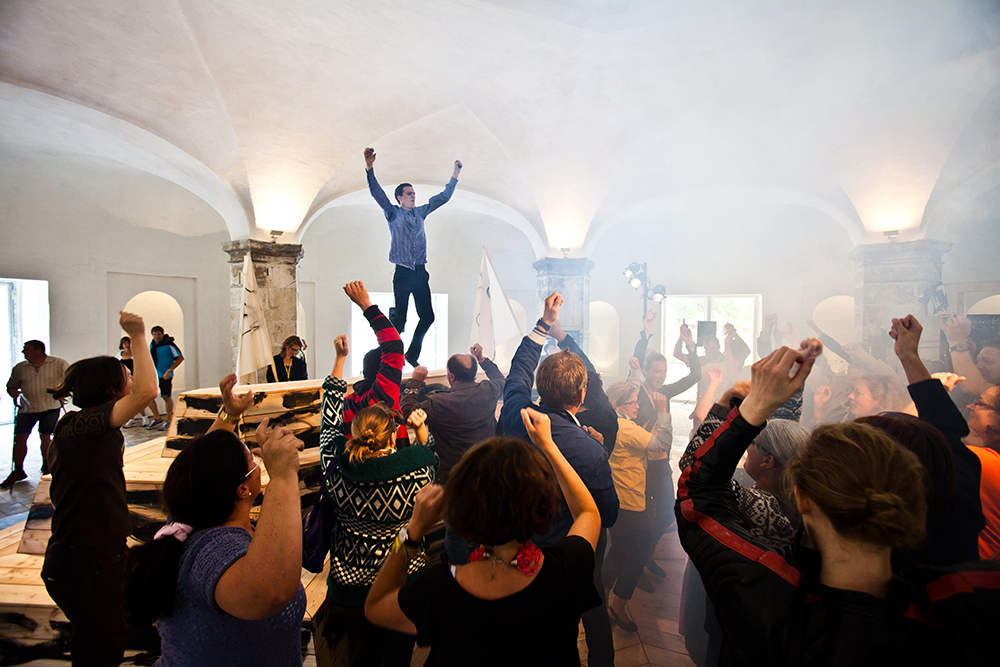
Addressing bystanders
Christian Falsnaes
Seminarraum Landschaftskunst
Oskar-Kokoschka-Platz 2, 1010 Wien2015 November 09 / 13:00
-
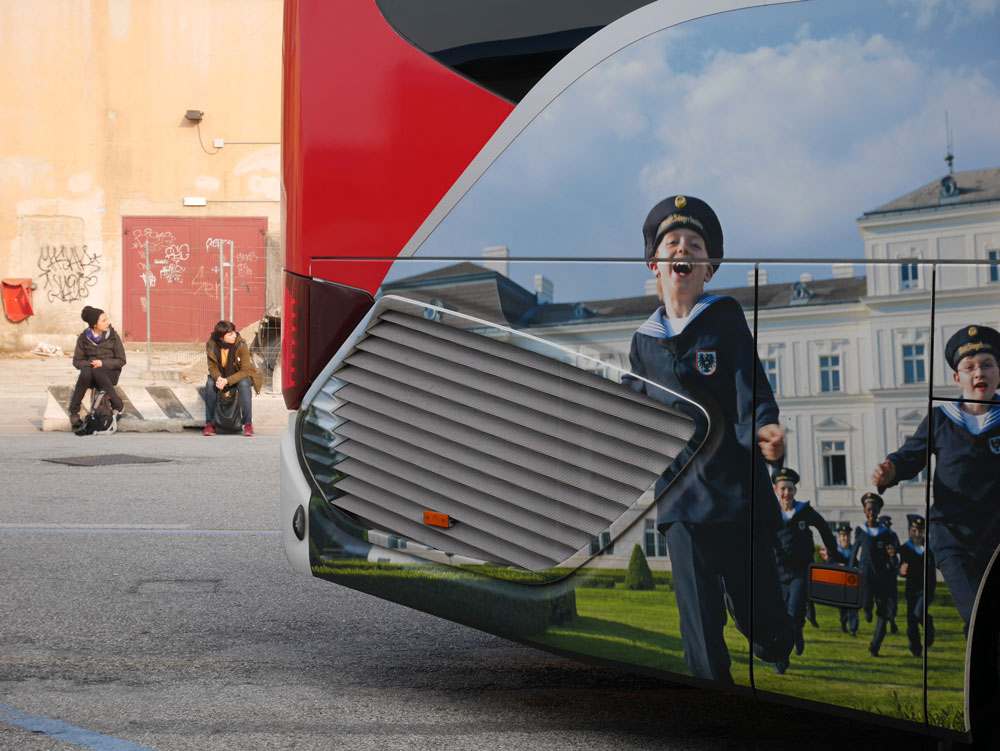
Biennale di Venezia
Excursion Winter Semester 2015 / 2016
2015 November 02
-
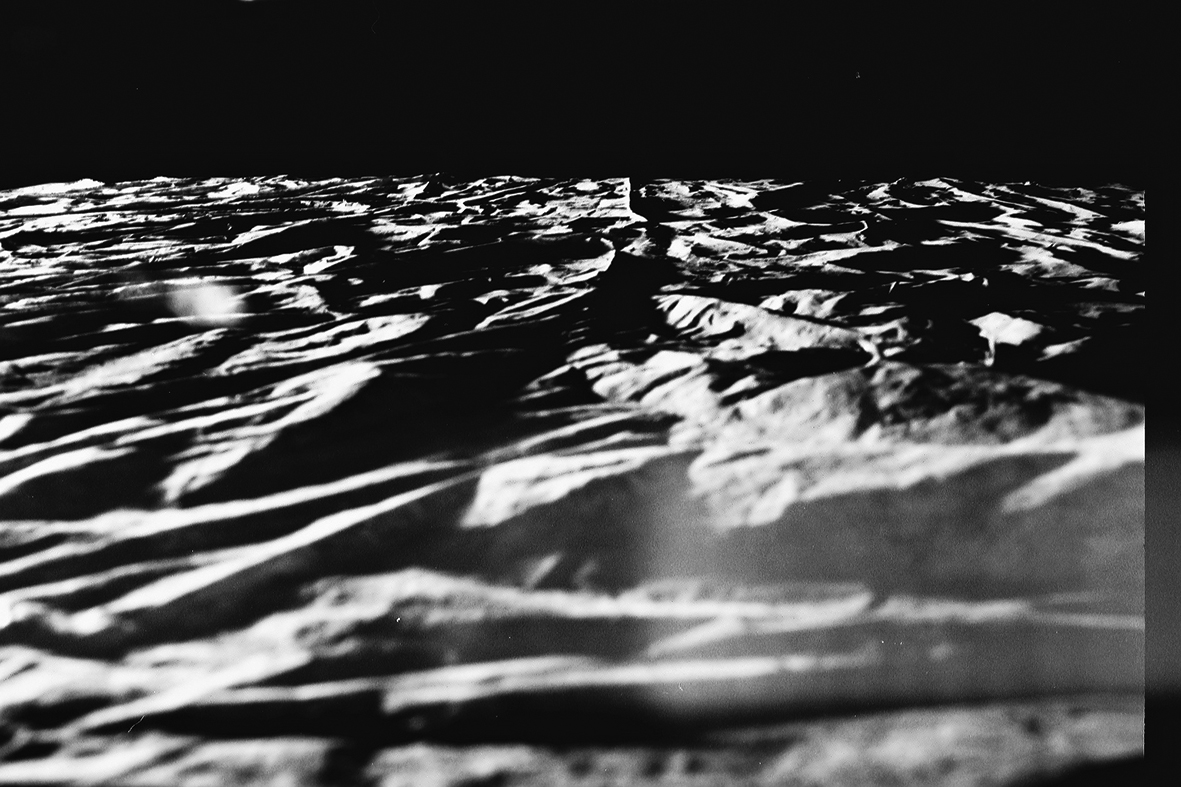
Catrin Bolt
Catrin Bolt präsentiert ihre Arbeit
Seminarraum Landschaftskunst
Oskar-Kokoschka-Platz 2, 1010 Wien2015 October 29 / 11:00Catrin Bolt beschäftigt sich mit Kunst im Alltag und entwickelt Präsentations-
möglichkeiten im erweiterten öffentlichen Raum. Durch unübliche Blickwinkel, ein Verrutschen des Kontextes oder der Perspektive, entsteht Fiktion im Gewohnten und es werden Hierarchien der klassischen Betrachtung und Wahrnehmung sichtbar.
-
Landscape Cityscape Mindscape
Barbara Pichler
Seminarraum Landschaftskunst
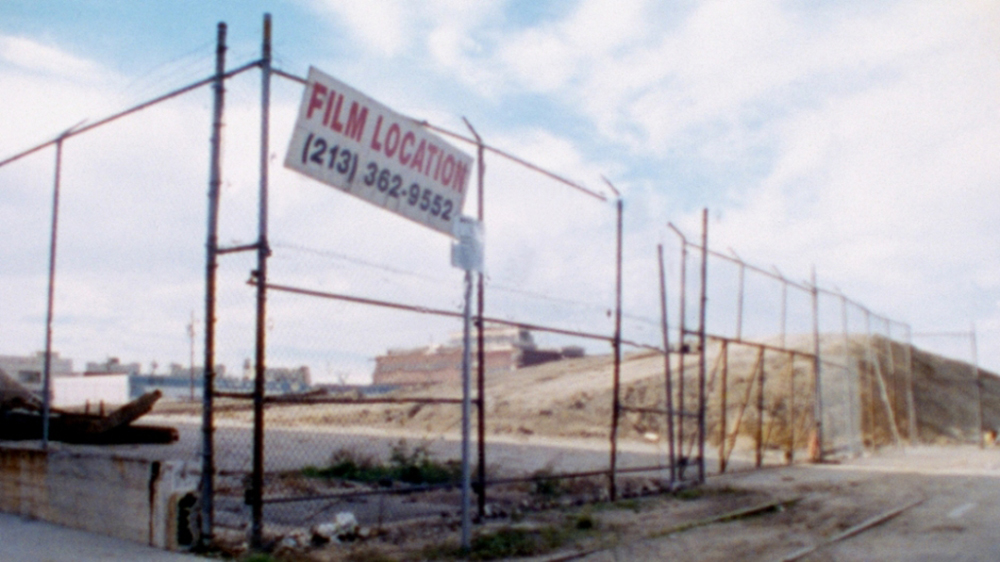
Oskar-Kokoschka-Platz 2, 1010 Wien2015 October 27 / 13:00Ideas of Landscape and Film
Landscape is a notoriously vague term but architect Carl Sauer’s description of the material landscape as „an iconographic index of the mind“ seems a good starting point in many respects: It defines landscape as an expression of ideas, ideologies, cultural values and actions inscribed in a place.
-
Ins Feld gehen
Gabriele Mackert
Ort wird bekannt gegeben
Abt. Landschaftskunst
2015 October 24Thematische Erkundungen
Als ein Erbe von Pop und Konzeptkunst ist
die Annäherung künstlerischer Praktiken
an Forschungsmethoden jeglicher Art zu beo-
bachten: Neben dem Bemühen der Verwissen-
schaftlichung ästhetischer Verfahren zeigt sich dies ebenso als eine Poetisierung wissenschaftlicher Informationen.