-
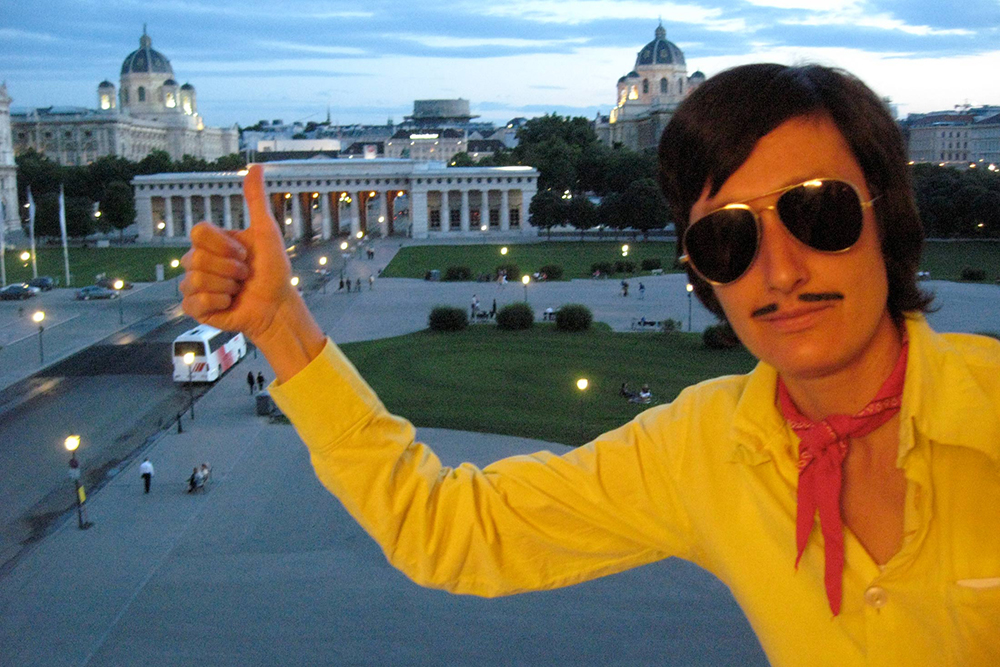
Performance und/als orts-bezogene Kunst (Praxis) – ‚Berühren’
Krassimira Kruschkova
Paulusplatz 5, Seminarraum 2. Stock
1030 WienSummer 2021Der Kurs fokussiert das Intakt-Taktile, die Kontingenz des Kontakts in künstlerischen Performances versus neoliberale Performance-Ökonomien. Die Studierenden recherchieren öffentliche (gegebene, fiktive oder virtuelle) Orte des ‚Berührens‘ und entwickeln dazu eigene Arbeiten, wobei sie Formatentscheidungen selbst treffen – die Präsentations- und Dokumentationsart ist offen. Performative Scores, Skripte, Skulptur-Skizzen, Szenarien etc. werden in der Gruppe besprochen, um dann zu einer Form-Finalisierung beim Angewandte Festival 2021 zu kommen.
-
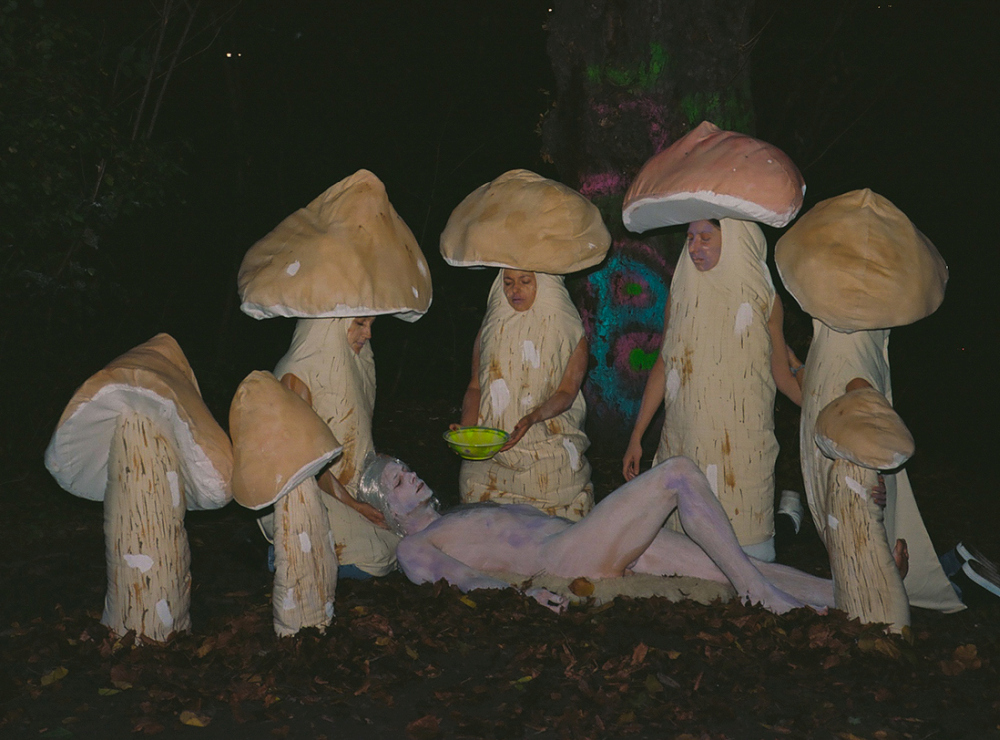
Rehearsing Nonhuman Perspectives
Julia Grillmayr
Paulusplatz 5, Seminarraum 2. Stock
1030 WienWinter 2020/21What if we addressed the Anthropocene as a problem of communication?
What if we tried to actively translate the needs and experiences of non-humans into human language? How to give voice to plants, animals, fungi or places? We read speculative fiction and theory; we enter cringy territories of anthropomorphism; we revive ecofeminist discussions of making kin with animals. We think, read and write together to rehearse non-human speech acts and “speaking nearby” others.
-

Formers
Seth Weiner
Paulusplatz 5, Seminarraum 2. Stock
1030 WienWinter 2020/21Formers are short, intuitive exercises that we’ll develop collectively, quickly, and alone. They ask where a work begins and ends. They are melodic, on brand, and focused on the role presentation plays in the construction of meaning. Formers are gestures, disappearing acts, and palimpsests. They are corrupt objects obsessed with their own time.
-
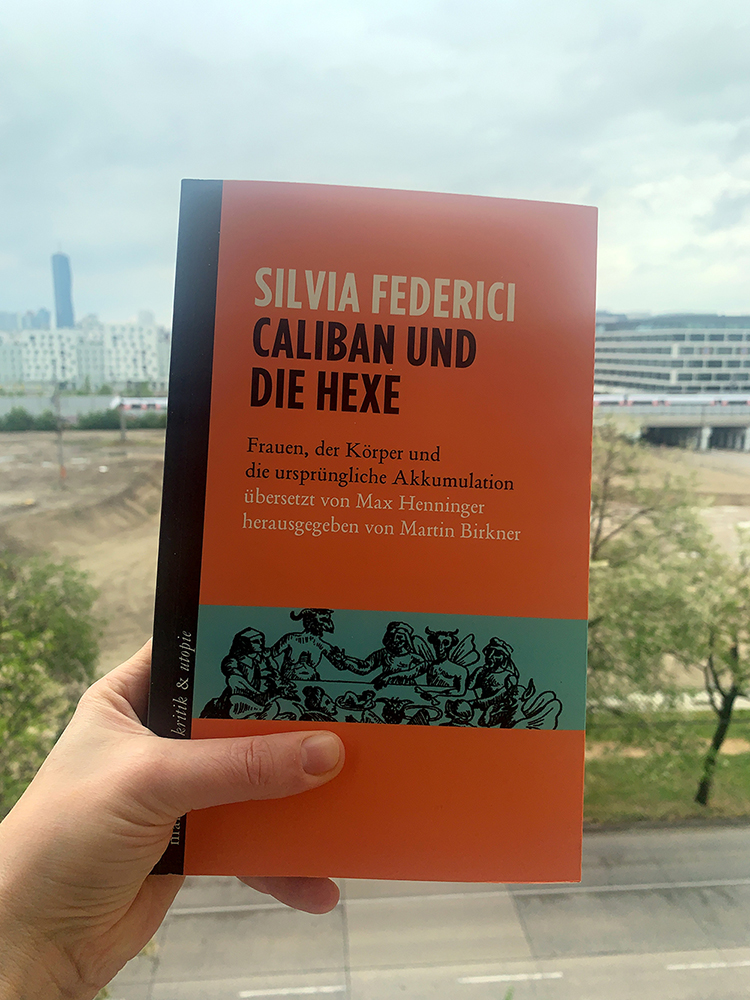
We breathe in. We breathe out.
Johanna Tinzl
Paulusplatz 5, Seminarraum 2. Stock
1030 WienWinter 2020/21
-
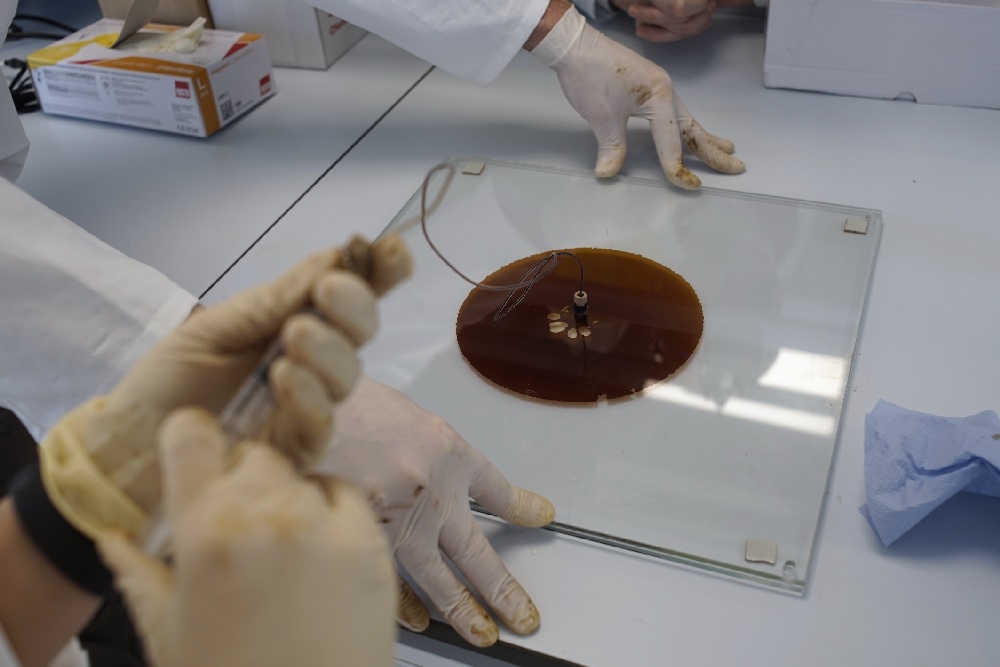
Reflecting Oil/ Art and Petroculture II
Ernst Logar
Paulusplatz 5, Seminarraum 2. Stock
1030 WienWinter 2020/21Das Produkt erfüllt seinen Zweck großteils ungesehen, indem es seinen Weg in Verbrennungs-motoren oder generell auf den Energiemarkt findet. Die Verbindung zu seiner Quelle oder zum Prozess seiner Entwicklung wird kaum wahrgenommen. […] Genauso wenig hat die kulturelle Produktion öffentliches Bewusstsein auf die Industrie, auf ihre Arbeitsweisen und ihre weitere Bedeutung zu lenken vermocht.
(Brotherstone und Manson 2007)